There is that moment that happens after almost every renovation. The floors are finished. The furniture has arrived. Someone stands back with a cup of coffee, admiring the house. Then their eyes land on the new doors. “They’re too nice to mess up.” Reasonable thought. Then life immediately ignores it.
A Labrador slaps the door open with his nose because apparently closed rooms are a personal insult. A child drives a toy truck directly into the bottom rail. Somebody carries a ladder through the hallway and discovers, a little too late, that ladders are far longer than memory suggests. It happens. Homes are busy. They should be busy.
Premium interior doors aren’t museum exhibits. If they were, they’d be rather disappointing doors.
Still, good things deserve sensible care. That’s where interior door maintenance enters the conversation—not as another endless homeowner chore, thankfully, but as a collection of small habits that quietly add years to the life of materials you already invested in.
People often imagine luxury products demand constant attention. The opposite is usually true. The better something is made, the less demanding its care routine becomes.
The Biggest Mistake Isn’t Forgetting Your Doors
It’s cleaning them a little too aggressively. Seriously. Some homeowners attack premium doors with the enthusiasm of someone cleaning barbecue grills after a family reunion.
Heavy-duty degreasers. Magic erasers. Furniture polish. Steam cleaners. Buckets of water. There is almost a touching stubbornness behind all of it. Unfortunately, premium finishes rarely appreciate it quite that much.
Good interior door maintenance isn’t about cleaning harder. It’s about disturbing the surface as little as possible while keeping it beautiful.
Premium Materials Already Do Half the Work
European manufacturers spend years developing finishes that resist scratches, fingerprints, fading, moisture changes, and ordinary household wear. Notice the word ordinary. Because ordinary life is surprisingly chaotic.
Doors open, close, repeat—twenty times today, forty tomorrow. Someone leans against them. Grocery bags bump into them. Suitcases roll past. Holiday decorations appear every December like migrating birds and somehow scrape every hallway on the way upstairs.
Manufacturers know this, they aren’t shocked by reality. Good finishes expect reality.
Interior Door Maintenance Starts With Something Ridiculously Simple
Dust. That’s it. Nobody finds dust exciting. Dust isn’t trying to impress anyone. It just quietly accumulates while everyone is busy living. Left alone long enough, though, it changes personality. It becomes slightly gritty. Then surprisingly stubborn.
Tiny particles begin collecting around hinges, handles, decorative grooves, textured veneers. Nothing catastrophic. Just unnecessary. A microfiber cloth every week or two solves problems before they become cleaning projects.
Five quiet minutes can prevent an hour later.
Don’t Turn Cleaning Into Restoration
Here’s a curious thing. Many homeowners wait until the door actually looks dirty. By then they’re scrubbing.
Much better to wipe away tiny amounts of dust occasionally than declare war every six months. Maintenance likes small conversations, not dramatic interventions.
Painted Doors Need Less Attention Than People Think
Painted European doors sometimes worry homeowners the most. Especially matte finishes. People assume they’ll stain if someone merely looks at them with sticky fingers. Fortunately, modern architectural coatings have come a long way. A very long way.
Premium painted finishes resist daily wear far better than many older paints ever could. They’re designed for actual homes, not imaginary ones where nobody owns children.
Cleaning Painted Surfaces
Start with the gentlest solution available. Usually that’s just a slightly damp microfiber cloth.
Water handles an astonishing number of everyday fingerprints. When it doesn’t, add a tiny amount of mild soap. Tiny. The door isn’t soaking after a football game. You’re cleaning it.
Avoid abrasive pads completely. Even if someone online insists they’re totally safe. The internet also insists tomatoes are technically fruit, yet nobody is serving fruit salad with mozzarella and basil at birthday parties.
Sometimes technical correctness misses the point.
Matte Finishes Deserve Patience
Matte paint behaves differently than gloss. It doesn’t throw light back into the room—it absorbs it. That’s why homeowners love it. It’s also why excessive rubbing can gradually create slightly shinier spots over many years.
Nothing dramatic. Nothing immediate. Just enough to remind us that gentleness usually wins. A valuable life lesson, actually.
Caring for Natural Wood Veneers
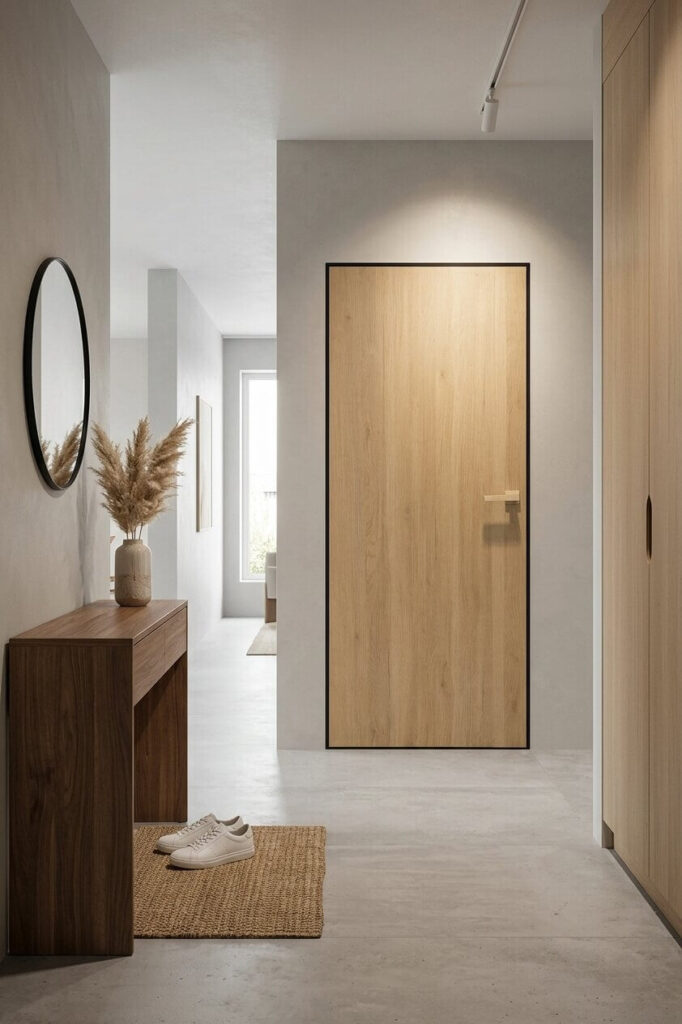
Wood is wonderfully stubborn. Every panel carries slightly different grain. Slightly different movement. Slightly different personality. Even doors cut from neighboring sections of the same log refuse to become identical twins.
Nature dislikes repetition. Designers secretly admire this.
Dust Before Moisture
Always. Tiny dust particles may look harmless—and they mostly are—but dragging them across beautiful veneers while cleaning creates microscopic abrasion over time. Again, we’re talking years, not tomorrow afternoon. Still, there’s no reason to create unnecessary work.
Remove the dust first, then wipe gently with a lightly damp cloth. Wood appreciates moderation. Extreme dryness annoys it, though excessive moisture annoys it even more.
Let Wood Age Naturally
Some homeowners panic when wood changes ever so slightly over the years. Please don’t. Wood was alive once. It remembers.
Sunlight slowly deepens some species while softening others. Walnut grows richer. Oak develops warmth. The changes happen so gradually they’re almost impossible to notice until someone finds an old photograph.
Premium-grade wood doesn’t become old. It becomes familiar.
Glass Doors: Beautiful, Honest, Slightly Judgmental
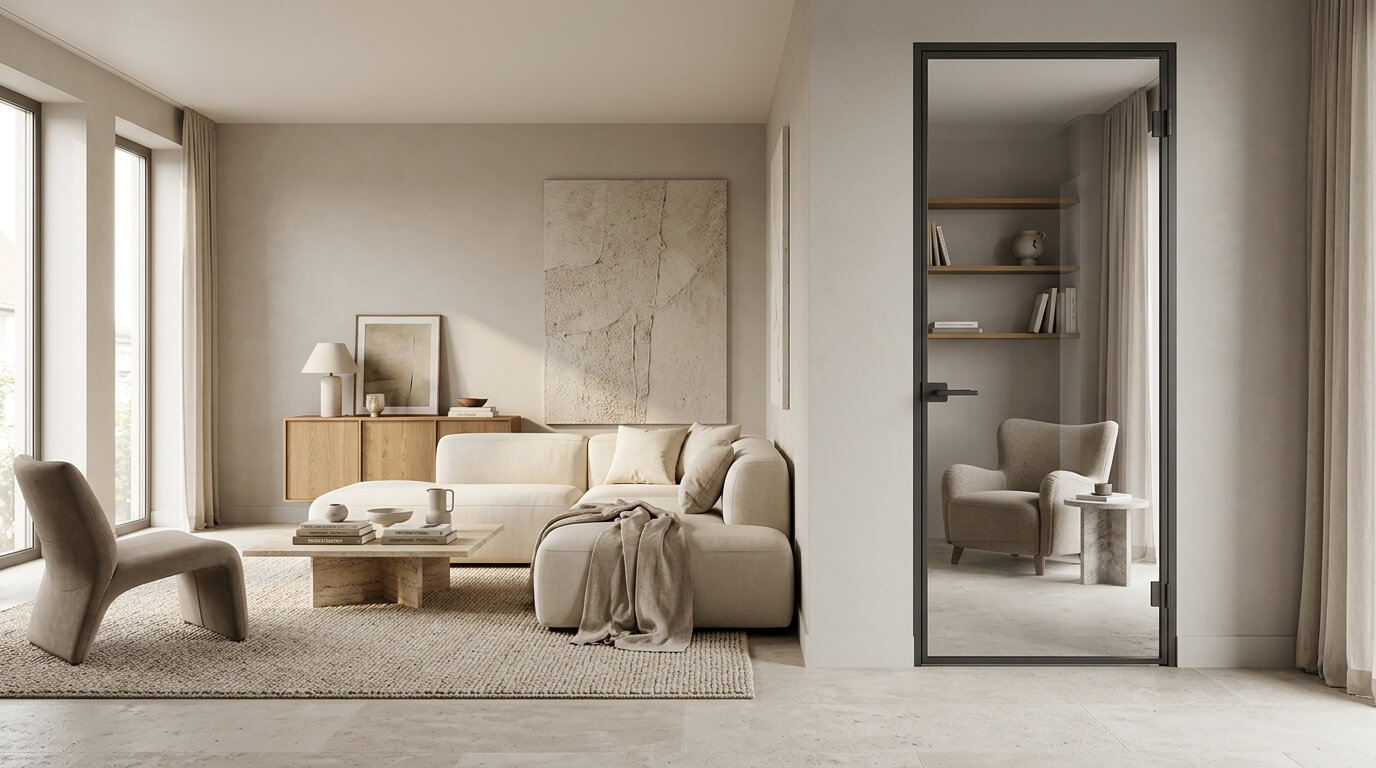
Glass has no interest in hiding fingerprints. None whatsoever. You wipe it clean. Someone walks by. There’s another handprint. Usually at precisely the height where no adult remembers touching the glass.
Children possess mysterious talents. Scientists should investigate.
Keep It Simple
Seems obvious. Yet people spray aggressive chemicals directly across frames, hardware, wood veneers, painted finishes—everything receives collateral damage.
Instead, spray cleaner onto the cloth. Then clean the glass. Small habit, large improvement. Particularly around premium painted aluminum frames.
Frames Require Attention Too
Everyone admires the glass. Nobody notices the dusty frame. Until they do.
Cleaning both together makes the entire door feel finished rather than halfway cared for. Sometimes the smallest details quietly influence our opinion of quality.
Hardware Is Doing More Work Than Anyone Realizes
Handles never complain. Neither do concealed hinges. Magnetic latches stay remarkably polite. Meanwhile they’re performing thousands upon thousands of movements every year.
Open. Close. Click. Repeat. Like reliable stagehands. The audience applauds the actors, and nobody notices the crew keeping the production alive.
Door Handles
A microfiber cloth removes oils from hands before they gradually build into dull residue. Harsh chemicals, especially on specialty finishes like brushed brass, matte black, bronze, or satin nickel, often create problems where none existed.
Luxury finishes prefer kindness. They’ve earned it.
Concealed Hinges
One of the pleasures of European doors—you almost forget they’re there.
Concealed hinges typically require very little maintenance beyond occasional inspection. If alignment changes after several years—and houses do settle a little—professional adjustment restores precision quickly.
No heroic DIY adventures necessary.
Magnetic Latches
People underestimate magnetic latches until they live with them. Then traditional latches suddenly seem strangely loud. Maintenance is refreshingly boring. Keep the latch clean. Remove dust. Allow it to continue doing its quiet little job.
Sometimes boring is magnificent.
Humidity Has Opinions
Doors may live indoors, but the climate indoors never completely stands still. Air conditioning dries the air. Humid summers push moisture back inside. Heating changes everything again.
Homes breathe. Slowly. Almost invisibly.
Premium engineered European doors handle seasonal movement exceptionally well because their construction is designed for stability. Still, wildly fluctuating indoor humidity asks unnecessary questions of every natural material in the house. Floors. Cabinets. Furniture. Doors. Consistency keeps everyone happier.
Even the wood. Especially the wood.
Don’t Ignore Tiny Changes
Homes whisper before they shout. That’s one of their useful habits.
A door begins closing just a fraction differently. The magnetic latch feels slightly softer. One reveal line becomes maybe a millimeter different. Easy to dismiss.
Sometimes it really is nothing. Sometimes it’s simply asking for a minor adjustment before becoming something larger. Listen early. Repairs remain wonderfully inexpensive when problems are still introducing themselves.
Things That Never Belong Near Premium Doors
Let’s clear away a few persistent myths.
Steam cleaners don’t belong here. Neither does bleach. Nor strong solvents. Nor abrasive scrubbing pads. Nor furniture wax intended for antique dining tables. Nor random internet mixtures involving vinegar, baking soda, lemon juice, coconut oil, essential oils, optimism, and what appears to be chemistry performed without supervision.
Premium finishes already know how to be beautiful. They don’t need experimental assistance.
Different Materials, Same Philosophy
Painted doors, natural oak, walnut veneer, architectural laminates, glass, textured wood—they all appreciate roughly the same attitude. Gentle care. Regular attention. Reasonable expectations.
Nothing theatrical. There is something strangely satisfying about that.
Interior Door Maintenance Isn’t Really About Cleaning
It’s about preserving the feeling that made you choose the door in the first place.
The smooth pull of the handle. The quiet magnetic click. Morning sunlight sliding across matte lacquer without bouncing all over the hallway. Fingers touching textured oak while walking past with coffee. A child growing taller year after year, the fingerprints slowly climbing higher on the glass panel until one day they’re almost at eye level.
Years pass almost invisibly inside a house. Doors witness every bit of it.
That’s why interior door maintenance matters. Not because premium doors are fragile—they aren’t—but because beautiful materials reward small acts of attention. A soft cloth instead of an abrasive sponge. Mild soap instead of harsh chemicals. A quick adjustment before tiny changes become larger ones. The routine never becomes complicated. It simply becomes part of living in a well-made home.
Maybe that’s what surprises homeowners most. They expect maintenance to feel like responsibility. Instead, after a while, it barely feels like maintenance at all. Just another ordinary moment between opening one room and walking into the next.