Doors spend decades working harder than almost anything else inside a home. They’re opened before coffee. Closed after midnight. They survive toddlers who believe every bedroom entrance should get a battering ram treatment at least once, teenagers who somehow shut every door exactly three decibels louder than necessary, dogs with muddy paws, moving furniture, hurried mornings, lazy Sundays. Yet when people discuss resale value, doors often become invisible.
Except they aren’t. Not even close.
A buyer touring your home probably touches more interior doors than countertops. Bedroom. Bathroom. Office. Pantry. Laundry room. Closet. Maybe the garage entry. It’s almost subconscious. Their hand reaches for the handle before their brain decides to. Every one of those tiny interactions quietly files away another opinion about the house.
Nobody leaves saying, “The concealed hinges completely changed my life.” That isn’t how humans talk. Instead they say things like, “This house feels wonderful.” Or, “I don’t know why, but everything just seems higher quality.”
That mysterious feeling has an address. Very often, it lives inside details nobody planned to notice. With properly installed premium doors home value obviously increases. People don’t simply buy square footage. They buy confidence. They buy atmosphere. They buy tiny reassurances repeated from room to room until, without realizing exactly when it happened, they’ve already started imagining their furniture inside the house.
Let’s take a closer look at how all that works.
Buyers Decide Faster Than They Think They Do
Here’s an uncomfortable truth. Most people begin judging a home before they’ve finished the entry hallway. Not consciously. Consciously they’re still pretending to be objective.
They’re discussing natural light. Ceiling height. Maybe the smell of fresh paint. Meanwhile another part of the brain is already assembling an opinion from hundreds of microscopic details.
The spacing around a door frame. The sound of footsteps. The way sunlight slides across the walls. Whether the bedroom door glides shut or argues with the frame halfway through. All that matters. A lot.
A House Doesn’t Introduce Itself With Words
Imagine meeting someone wearing beautifully tailored clothing. You probably won’t think, “Excellent seam alignment.” You’ll simply think they look put together. Homes work the same way.
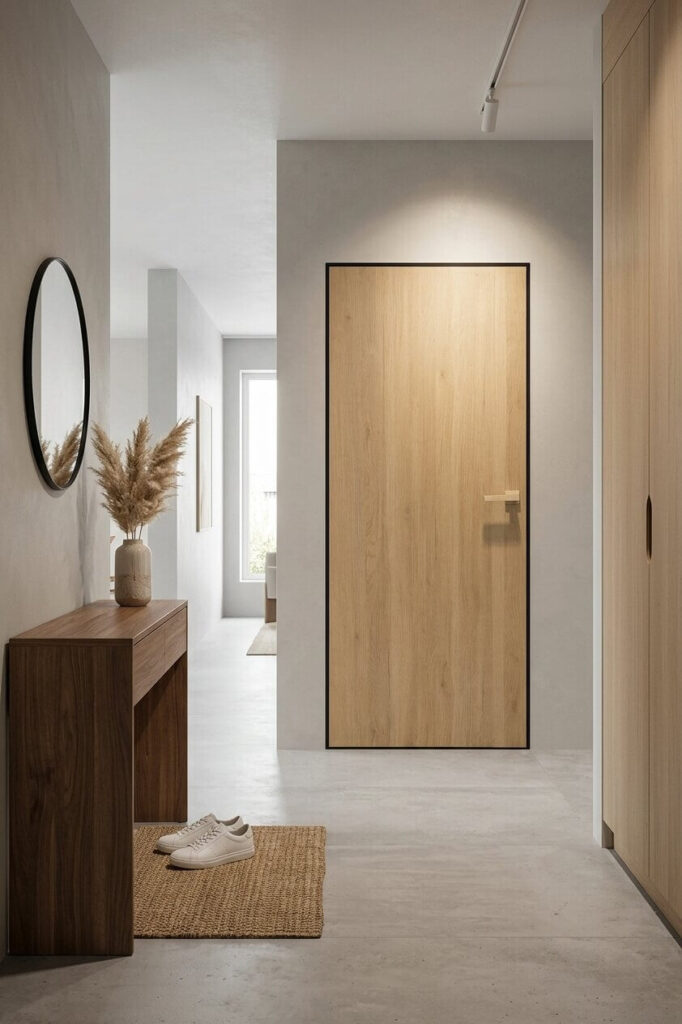
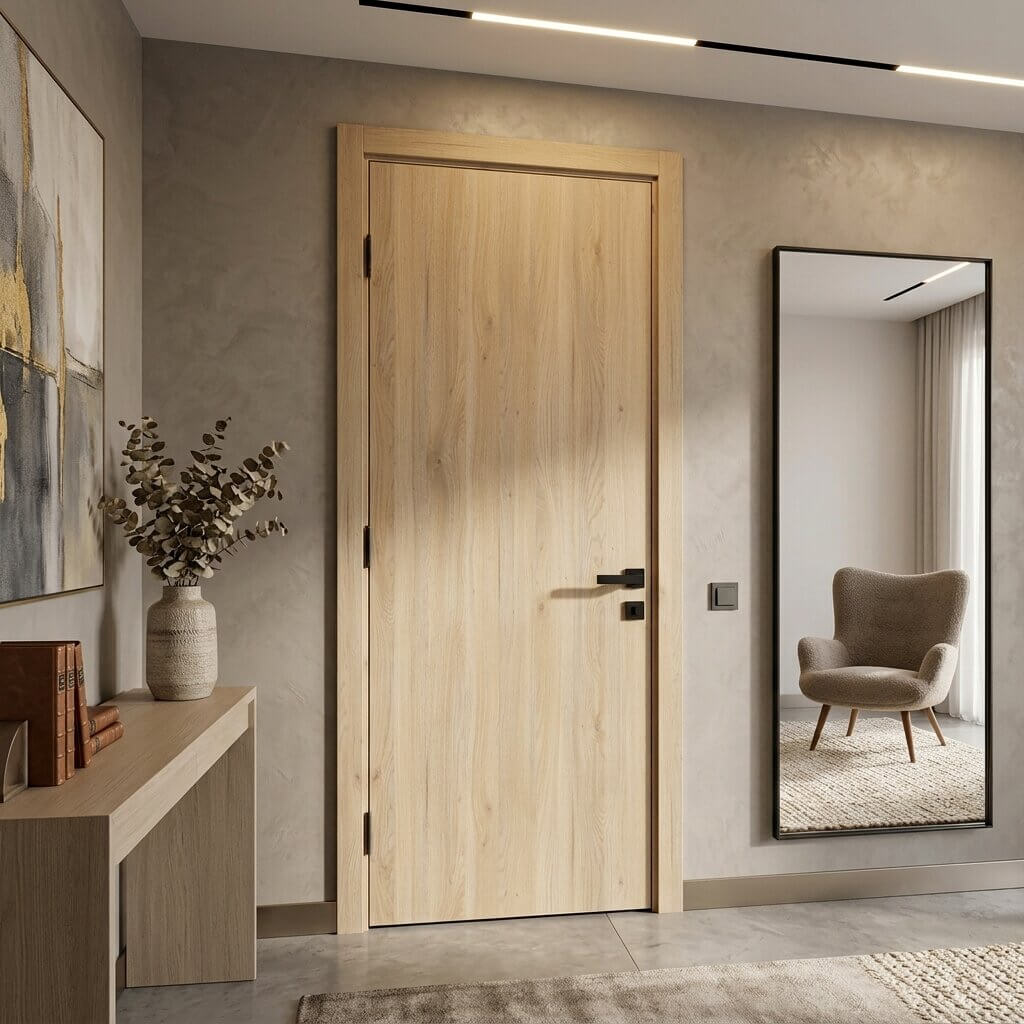
Nobody stands inside a hallway admiring reveal tolerances around a premium European door. Yet they feel the precision anyway. Architecture has body language and premium interior doors speak it fluently.
Tiny Irritations Accumulate
A loose handle. A crooked latch. Uneven gaps around the frame. One hollow door that echoes like an empty cereal box every time it closes.
None of these issues ruin a showing. Together? Different story. It’s like listening to a talented pianist on a slightly out-of-tune instrument. The music survives, but your shoulders never completely relax. Premium doors remove those tiny interruptions.
The experience becomes smoother. The house stops apologizing for itself.
Buyers Notice Things They Never Mention
Ask someone why they preferred one house over another. The answers usually sound broad. “It felt brighter.” “It felt custom.” “It had a nicer atmosphere.” Interesting words. Almost never, “The magnetic latch on the office door produced a beautifully dampened closing sound.”
And yet, that latch probably helped create the feeling they just described. Luxury often sneaks in through side doors. Literally.
Why Good Doors Quietly Build Trust
Buying a home is an act of optimism. You’re betting on the future. That plumbing won’t become dramatic. That wiring behaves itself. That hidden surprises remain politely hidden. Because buyers can’t inspect every screw inside a house, they begin making assumptions.
Humans are astonishingly efficient at this. Sometimes too efficient.
Quality Suggests More Quality
Here’s how the brain cheats. It notices premium interior doors. Solid construction, beautiful alignment, hidden hinges. Then it quietly whispers, “They probably took good care of everything else too.”
Maybe that’s true. Maybe it isn’t. The assumption still happens. Design influences trust, trust influences offers.
Maintenance Leaves Clues
A well-maintained home tells little stories. Fresh caulking. Clean paint lines. Properly adjusted doors. Hardware that still feels tight after years of use. Nothing dramatic. Just evidence.
Evidence matters. People rarely buy certainty—they buy enough reassuring clues to quiet their doubts. Premium doors contribute more clues than most homeowners realize.
The House Feels More Expensive Than It Actually Is
Sometimes a relatively modest upgrade changes the emotional temperature of an entire house. Not literally. That would be impressive.
Premium interior doors create continuity. Every room feels connected. Hallways become calmer. Bedrooms feel quieter. The entire home starts behaving like one carefully considered project instead of several unrelated renovations that accidentally met each other.
The Psychology Behind Premium Doors
People judge quality through consistency.
A luxury watch doesn’t impress because of one gear. A luxury car isn’t luxurious because of one leather seat. Everything works together.
Homes follow exactly the same rule.
Every Door Is Another First Impression
Think about it. Each room introduces itself through its door. Guest bedroom, office, primary suite, bathroom, laundry room.
You don’t actually enter the room first. You meet the door.
Weight Changes Expectations
Close a hollow-core door. Then close a premium solid-core European door.Different worlds.
One feels almost eager to bounce back open. The other settles into place with calm confidence. Weight communicates quality before your eyes contribute anything useful. Humans have trusted weight forever.
Pick up a cast-iron skillet. Then pick up a disposable aluminum pan. If you know how to cook you already know which one you’d rather cook dinner with.
Sound Is Part of Design
Nobody really talks about acoustic architecture outside design circles. Maybe they should.
Luxury homes sound different. Cabinet drawers, flooring, windows, doors. Especially doors. Soft magnetic latches. Solid cores. Precision hardware. The house develops quieter manners.
Noise disappears. Well, some noise. Kids remain kids.
Premium Doors Change Online Listings Too
Real estate starts online now. Long before buyers arrive.
Photography matters, perhaps too much.
Clean Lines Photograph Better
Minimalist European doors have this interesting habit. They don’t clutter photographs.
Flush surfaces. Hidden hinges. Simple proportions. Instead of competing with furniture or architecture, they support it. Professional photographers appreciate this. Even if they never say so.
Buyers Zoom In
Everyone zooms. Countertops. Flooring. Bathrooms. Then they accidentally notice the interior doors sitting quietly in the background.
Straight lines. Beautiful grain. Premium hardware. Small things become surprisingly obvious on large monitors.
Consistency Wins
One gorgeous room photographs well. An entire house with consistent finishes photographs even better. Premium doors quietly tie everything together.
Kitchen. Hallway. Bedrooms. Office. The listing begins telling one coherent story instead of several unrelated chapters.
Modern Buyers Expect More Than They Did Ten Years Ago
Instagram happened. Pinterest happened. Architectural YouTube channels happened. People absorb extraordinary interiors almost every day without realizing they’re training their own taste.
It’s fascinating. A homeowner who couldn’t identify concealed hinges five years ago now pauses when they see exposed ones. Not because they’re trying to impress anyone. Because repeated exposure changes expectations.
Slowly. Quietly. Almost unfairly.
Builder-Grade Doesn’t Feel Invisible Anymore
Builder-grade doors once blended into the background. Now they often stand out. Not because they became worse—because everything around them improved. Flooring improved. Lighting improved. Furniture became cleaner. Architecture became simpler.
Ordinary doors suddenly look too ordinary. Context changes everything.
Homes Feel Finished Through Repetition
Luxury rarely depends on one spectacular feature. It depends on consistency. Good lighting. Good flooring. Thoughtful trim. Excellent doors. Premium hardware. Repeat. Repeat again. Eventually the entire house develops confidence.
Confidence is difficult to fake.
Which Door Features Actually Matter?
Not every expensive feature creates meaningful value.
Some genuinely do.
Solid-Core Construction
Privacy improves. Sound softens. Operation feels substantial. Closing the bedroom door suddenly becomes oddly satisfying. Not life-changing, just better.
Repeated thousands of times.
Flush European Design
Minimalism isn’t trendy anymore. It’s becoming timeless.
Flush premium doors simplify architecture instead of decorating it. Walls become calmer. Rooms breathe easier.
The simple kind of magic people enjoy witnessing 24/7.
Hidden Hinges
Nobody asks for them. Then they see them. Actually, they don’t see them—that’s the whole point.
Suddenly exposed hinges begin looking strangely busy, like someone forgot to edit the final draft.
Premium Hardware
Handles deserve more respect. You’ll probably touch one door handle more often than your television remote over the next decade.
Think about that for a second. Weight. Texture. Precision. Loose hardware becomes irritating in tiny daily doses. Premium hardware quietly refuses to become annoying.
There’s real value in that.
Living With Premium Doors Before Selling
Here’s something resale articles rarely mention. You live in the house first. Hopefully. Years pass before listing photos happen. During those years, premium doors continue paying little dividends. Quiet bedrooms. Peaceful offices. Smooth operation. Reliable hardware. Less maintenance.
Sometimes the best investment isn’t the future sale—it’s making the years before that sale noticeably nicer. People forget this surprisingly often.
European manufacturers have been refining minimalist interior architecture for decades. Not chasing trends. Refining. Different mindset. They obsess over tolerances most homeowners will never measure. Hidden hardware, stable cores, precision engineering. Soft-closing systems. Small improvements stacked carefully together until ordinary interactions begin feeling unusually pleasant.
Luxury isn’t louder. It’s calmer.
Why Diana Doors Believes Premium Doors Are Worth It
At Diana Doors, conversations almost never begin with resale value. They begin with homeowners saying something much simpler. “I want the house to feel better.”
That’s a wonderfully honest goal.
Ironically, houses that feel better often become easier to sell later. Not because of marketing. Because thoughtful craftsmanship tends to leave an impression.
We Focus on Homes, Not Just Products
Every house behaves differently. Contemporary architecture asks different questions than a Spanish Revival home. A coastal property catches light differently than an inland remodel. Choosing premium interior doors means understanding the entire environment first.
Doors aren’t isolated objects leaning against walls. They’re architecture in motion.
The Details Stay Quiet
Good doors don’t constantly demand compliments. That would become exhausting. Instead they keep performing. Five years. Ten years. Maybe longer. No sagging, no rattling. No awkward sticking every October when humidity decides to experiment.
Dependability is wonderful. Underappreciated, though.
Conclusion
There’s an old saying that people buy with emotion and justify with logic afterward. Real estate proves it over and over again.
Someone walks into a house, turns a few handles, wanders through the hallway, closes a bedroom door without even thinking about it, and something settles in their mind before they’ve reached the backyard. They can’t quite explain it. The place simply feels solid. Considered. Comfortable. Almost like the house has been quietly looking after itself for years.
That’s why with properly installed premium doors home value stops being a marketing phrase and starts becoming something really important. Not a guaranteed percentage, not a magic formula—more like trust you can touch. Beautiful interior doors don’t usually convince buyers to make an offer all by themselves. They simply keep removing tiny reasons to hesitate. One smooth hinge. One perfectly aligned frame. One soft magnetic click. Then another. And another.
Sometimes hesitation disappears one doorway at a time.