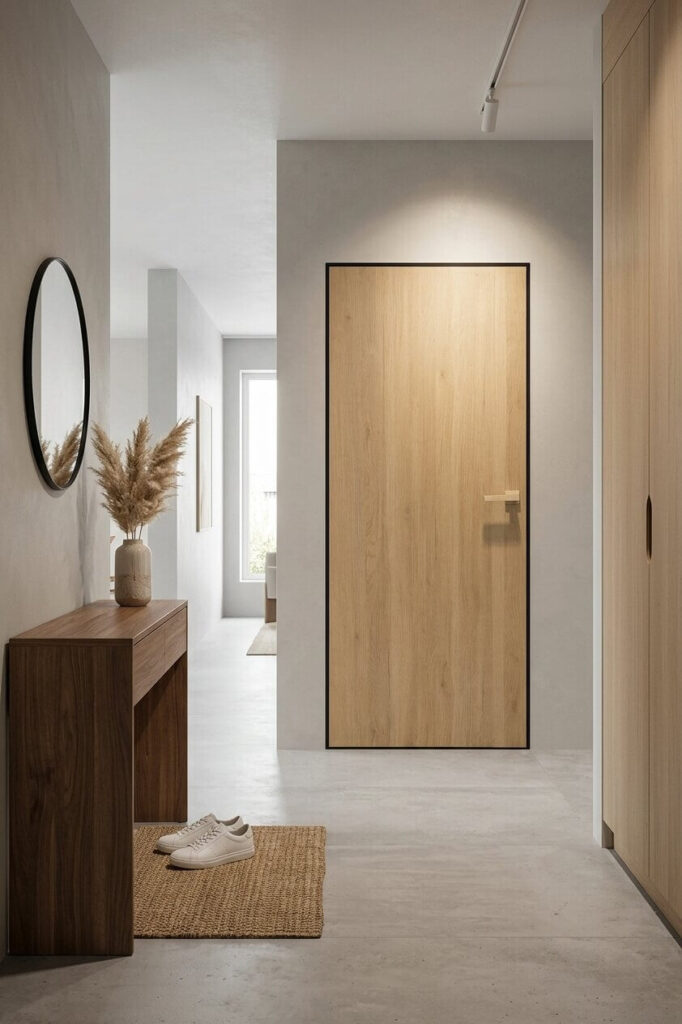
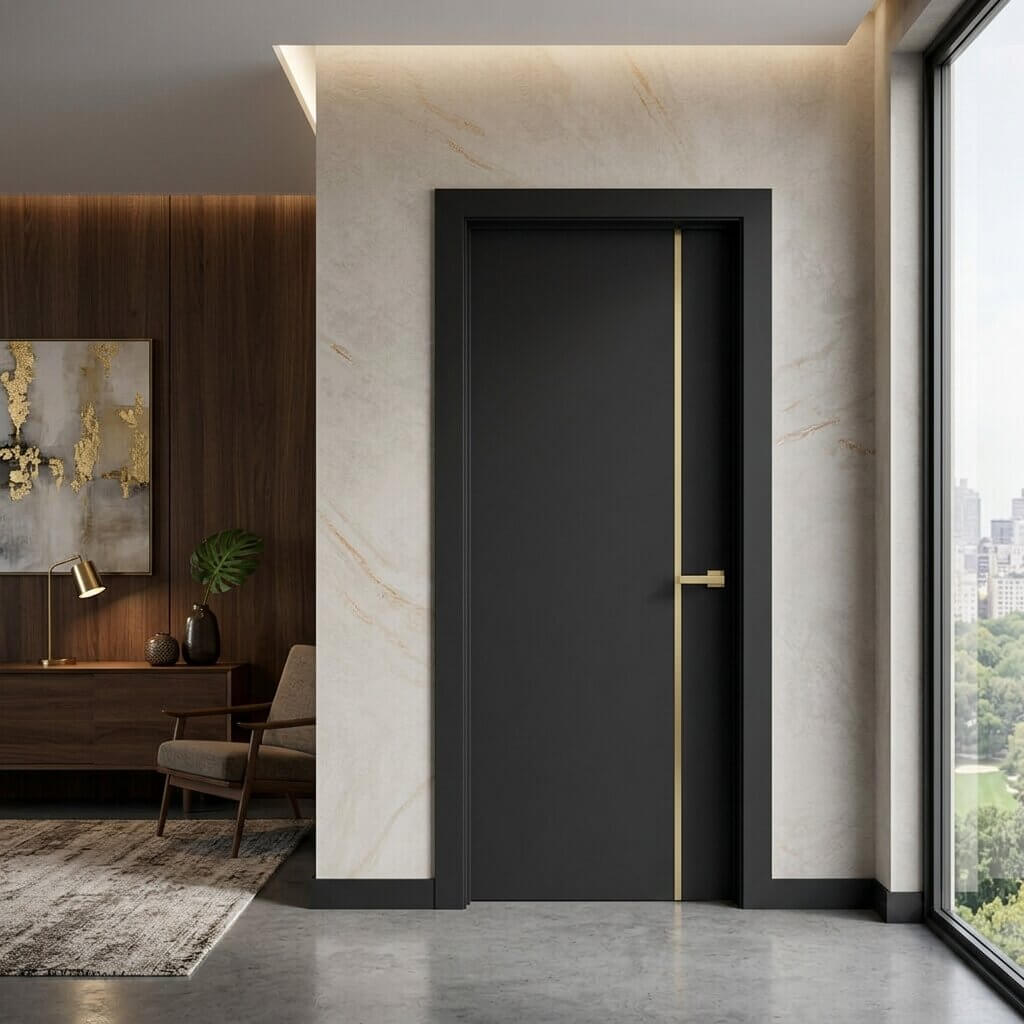
Some design decisions arrive with fireworks. Kitchen cabinets? Everyone notices. Flooring? Sure. People immediately look down. Countertops practically introduce themselves before you do.
Then there are interior doors. They stand quietly against the wall, asking for almost nothing. No applause. No compliments. They simply wait for someone to open them.
Which is precisely why they matter.
Good designer interior doors don’t compete with the architecture. They complete it. They’re a little like punctuation in a well-written sentence. You don’t consciously admire a comma, but remove enough of them and everything starts feeling off.
Doors work the same way.
A thoughtfully designed home can lose some of its rhythm because of ordinary builder-grade doors. Not all at once. More like tiny interruptions repeating themselves from room to room. You walk through the hallway and something feels less refined than you expected. Hard to explain. Easy to feel.
Then you replace the doors. Suddenly the walls seem cleaner. The ceilings somehow look taller. Natural light behaves differently even though nobody actually moved the windows.
More homeowners are discovering designer interior doors because they’re beginning to realize that interior design isn’t just about what fills a room. It’s also about what quietly frames it. Sometimes the quietest pieces carry the most responsibility.
Let’s explore how to choose doors that don’t simply fit your house but belong there.
What Makes a Door a “Designer” Door
The answer isn’t carved patterns. It isn’t gold hardware. And thankfully, it isn’t excessive decoration pretending to be elegance.
Real designer products usually become simpler, not louder. The longer designers work, the less unnecessary stuff tends to survive.
Design Starts With Proportion
Here’s something your eyes notice before your brain does. Balance.
The width of the rails. The relationship between the handle and the door edge. The thickness of the slab. The reveal around the frame. Nobody walks around measuring these things, yet proportion quietly determines whether something feels expensive or oddly uncomfortable.
Good design often comes down to millimeters. Literally.
Simplicity Is Surprisingly Difficult
People occasionally assume minimalist doors require less effort because they appear simple. Almost the opposite is true.
Traditional panel doors hide imperfections. Flush designer interior doors don’t. Every line must remain perfectly straight. Every edge matters. Every surface reflects light differently. There’s nowhere for poor craftsmanship to hide.
It’s a little intimidating, honestly. Which is exactly why quality manufacturing becomes so important.
The Door Should Fit the House
Trends behave like weather. Interesting while they’re happening. Temporary. Homes usually outlive trends by several decades.
Good designer doors don’t chase fashion. They rely on timeless proportions, premium materials, and thoughtful engineering that continue making sense years after Pinterest has discovered its next obsession.
That’s comforting. Expensive renovations deserve longer attention spans than social media.
Modern Homes Need Different Doors
Take a walk through newer homes. Not just luxury homes. Almost any thoughtfully designed modern residence. You’ll notice walls becoming quieter. Ceilings getting taller. Windows expanding. Furniture becoming cleaner.
The architecture itself carries more of the visual weight. Interior doors have adapted accordingly.
Walls Are No Longer Background
Open floor plans changed everything. A hallway wall might now be visible from the kitchen, dining room, and living room simultaneously.
Every interruption becomes more noticeable. Traditional raised panels create rhythm. Modern flush doors create calm. Neither approach is universally better since they simply tell different stories.
Less Visual Noise Creates More Space
Here’s a strange little illusion. Replace decorative panel doors with minimalist flush doors. Stand back. The room often feels larger.
Nobody knocked down a wall. Nothing physically expanded. Yet the house suddenly breathes differently. Design occasionally borrows tricks from magic.
Doors Should Cooperate With Light
Southern California sunlight deserves some credit here.
Bright natural light reveals everything. Beautiful wood grain. Matte finishes. Texture. Tiny imperfections. Premium designer interior doors interact with light instead of fighting it.
The result changes throughout the day. Morning looks different from late afternoon. Good materials enjoy that conversation.
Choosing the Right Style
This is where people sometimes become overwhelmed. Too many options, too many finishes, too many opinions.
Let’s simplify things.
Flush Doors
The modern classic. Simple. Architectural. Confident. Flush doors remove unnecessary visual distractions while allowing flooring, lighting, artwork, and furniture to become more prominent.
They don’t disappear. They simply stop competing. There’s a difference.
Wood Veneer
Natural wood introduces warmth almost effortlessly. White oak, walnut, ash. Smoked finishes. Each species tells a slightly different story.
The grain itself becomes artwork. Not loud artwork, the kind you keep noticing six months later. Modern wood veneers offer remarkable consistency while preserving natural beauty.
Technology occasionally improves nature without trying to replace it. This happens to be one of those moments.
Painted Doors
White remains timeless. Not because it’s exciting. Because it allows architecture to speak clearly.
Matte painted finishes particularly complement contemporary interiors where texture matters more than ornament. Although, a beautifully painted charcoal door against crisp white walls? That’s difficult to ignore. In the nicest possible way.
Glass Inserts
Some rooms benefit from borrowed light. Home offices, libraries—glass inserts maintain privacy while helping natural light continue flowing through the house.
Not every room needs them. Some absolutely do.
Hardware Deserves More Respect
People spend weeks choosing doors. Then buy handles in twelve minutes. Curious strategy, though hardware determines almost every physical interaction you’ll have with the door. Every day, for years.
Visible hinges aren’t mistakes. They’re simply a different aesthetic. Hidden hinges remove another visual interruption: doors appear cleaner, walls become simpler, the overall design feels more architectural. Tiny improvement that makes remarkable difference when repeated throughout an entire house.
Traditional latch systems announce every successful closing. Magnetic hardware behaves differently. Gentler. Smoother. Almost reluctant to interrupt the silence. Luxury frequently sounds quieter than expected.
You’ll touch the handle thousands upon thousands of times. Weight matters. Texture matters. Comfort matters. Loose handles become surprisingly annoying after enough repetitions. Solid hardware simply disappears into habit, which is probably the highest compliment.
Premium designer interior doors often rely on engineered solid-core construction. Not because it photographs well. Because it feels better. Better acoustics, better stability, better durability. A more substantial closing experience.
Words struggle here. Hands understand immediately.
Also, beautiful doors should remain beautiful after years of ordinary life. Children. Pets. Moving furniture. Busy mornings. Weekend projects. Premium finishes tolerate reality surprisingly well. As they should.
Matching Designer Doors to Your Home
No single style fits every project. Thankfully.
Otherwise neighborhoods would become remarkably boring.
Contemporary Homes
Flush white doors, hidden hinges, minimal hardware—architectural simplicity.
Everything aligns. Everything breathes.
Transitional Interiors
Transitional spaces borrow from traditional and modern influences simultaneously. Natural oak doors often create exactly the right balance. Warm without becoming rustic. Contemporary without feeling cold.
It’s a narrow path. Worth walking, though.
Coastal California
Soft wood tones. Matte finishes. Minimal detailing. Abundant natural light. Designer doors quietly reinforce the relaxed elegance Southern California homes do so well.
Nothing feels forced.
A Friendly Reminder
Doors deserve touching, opening, closing. Pictures help. Experience teaches.
Premium doors paired with budget hardware eventually feel mismatched. Not immediately. Gradually. Consistency matters.
Precision products require precision installation. A beautifully manufactured door installed carelessly becomes a daily reminder that details matter. Geometry has very little patience.
Why Diana Doors Focuses on European Designer Doors
At Diana Doors, we believe selecting designer interior doors shouldn’t feel like navigating hundreds of confusing options with slightly different names.
Good design benefits from thoughtful curation. Not endless repetition.
We Help People See the Differences
Many distinctions aren’t obvious online. Core construction, frame systems, hidden hinges, surface finishes, magnetic latches—once clients experience them in person, decisions become surprisingly clear.
Sometimes clarity simply requires opening the door yourself. Literally.
Quality Beyond Installation
Anyone can admire new doors during renovation week. The better question arrives five years later.
Do they still align perfectly? Still close smoothly? Still feel substantial? Premium European craftsmanship tends to answer yes. Quietly and consistently.
Conclusion
People often search for one spectacular feature that transforms an ordinary house into something memorable. Architecture rarely works that way.
Beautiful homes grow from dozens of thoughtful decisions, each one supporting the next like musicians in a jazz quartet. Nobody plays constantly. Nobody needs to. They leave space for one another, and somehow the silence between the notes becomes part of the performance. Designer interior doors belong in that silence.
They’re not there to steal attention from your kitchen or compete with the fireplace or become the first thing guests photograph. Their job is subtler. They organize the home. They soften transitions from one room to another. They make walls feel intentional instead of merely necessary. They give everyday moments a little more grace than they had before.
The better the door is, the less you think about it.